
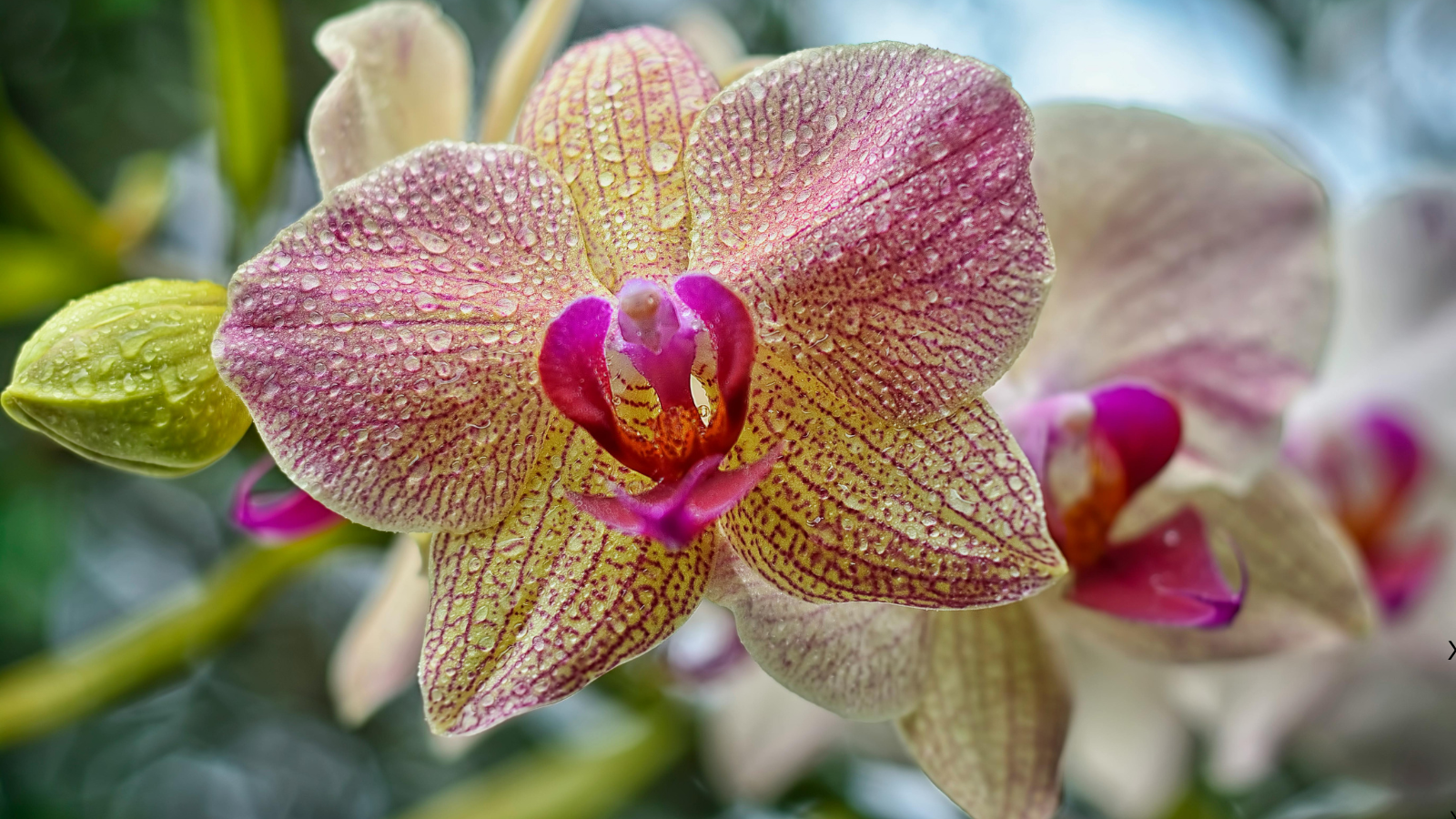
Welcome to the glamorous world of orchids, where elegance meets a touch of tropical flair! If you've ever admired these stunning blooms and thought, "How can I bring some of that beauty into my home?" — you're in for a treat. Growing orchids may seem like a task reserved for seasoned horticulturists, but with a sprinkle of love and a dash of care, anyone can cultivate these fascinating flowers.
What Are Orchids?
Orchids are a diverse and fascinating family of flowering plants known scientifically as Orchidaceae. They are one of the largest and most varied plant families, with over 25,000 species and more than 100,000 hybrids and cultivars.
Unique Characteristics
Orchids are characterised by their unique flower structure, which typically features three outer petals and three inner petals, with one of the inner petals often modified into a lip or labellum. This distinctive shape is designed to attract specific pollinators, such as bees, butterflies, and birds. The flowers can come in a wide range of colours, shapes, and sizes, making them highly sought after for ornamental purposes.
Habitat and Distribution
Orchids are found in nearly every part of the world, except for extreme deserts and polar regions. They thrive in a variety of habitats, including tropical rainforests, temperate forests, grasslands, and even arid regions. Many orchids are epiphytes, meaning they grow on other plants — usually trees — without harming them.
💡 Important: Orchids are NOT parasites. Of the approximately 20,000 species that grow around the world, not one is parasitic. Epiphyte orchids cling to trees for support only, taking nothing from the host plant.
Are Orchids Parasites?
Absolutely not. Orchids that grow on trees are called epiphytes or air plants. An epiphyte is a plant growing on other plants — known as "air plants" because they are not anchored in the soil. Epiphytes derive nutrients from rainwater, air, and other sources, and do not injure the host plant in any way.
Growth and Care
Orchids have specific growth requirements that can vary by species. Most orchids prefer bright, indirect light, high humidity, and well-draining potting media. They typically require regular watering, but it's essential to avoid overwatering, as this can lead to root rot. Fertilising orchids with a balanced fertiliser (e.g. 20-20-20) at least once a week during the growing season can promote healthy growth and flowering.
Understanding Orchid Growing Media
Orchids possess unique root systems that differ significantly from other houseplants. As epiphytes, many orchids grow attached to trees rather than in traditional soil. Choosing the right growing media mimics their natural habitat.
1. Bark Mixes
Bark mixes, often composed of fir or pine bark, are one of the most popular choices. They provide excellent drainage and airflow, crucial for orchid roots. Pros: Highly breathable and lightweight. Cons: Breaks down over time and may need replacing every couple of years.
2. Sphagnum Moss
Sphagnum moss retains water effectively while offering good aeration. Pros: Excellent water retention. Cons: Can compact over time; care must be taken to prevent overwatering.
3. Coconut Coir
An environmentally friendly alternative to peat moss. Pros: Sustainable, lightweight, maintains moisture without becoming waterlogged. Cons: May not retain nutrients as effectively.
4. Perlite and Vermiculite
These lightweight aggregates improve aeration and drainage when mixed with other media. Best used as part of a blend rather than alone.
Types of Pots for Growing Orchids
Choosing the right pot is equally important as selecting the growing media.
Solid Pots
Provide stability and aesthetic appeal. However, poor drainage can lead to waterlogged roots. Always ensure adequate drainage holes at the bottom.
Pots with Side Holes
These offer excellent aeration, mimicking the natural growing conditions of orchids. Enhanced air circulation supports healthy root systems and improves drainage — the preferred choice for most orchid growers.
Cultural Significance
Orchids have significant cultural and economic importance in many societies. They are often associated with beauty, luxury, and refinement. In some cultures, orchids symbolise love, strength, and beauty. They are popular in the floral industry, used in arrangements, corsages, and as houseplants.
Conservation
Due to habitat loss, climate change, and over-collection, many orchid species are threatened or endangered. Conservation efforts are underway to protect these unique plants. Cultivating orchids at home can also contribute to their conservation by promoting awareness and appreciation for these remarkable plants.
Ready to Start Growing?
Download the free Wise Gardener's Starter Guide — five easy steps to your first harvest.