
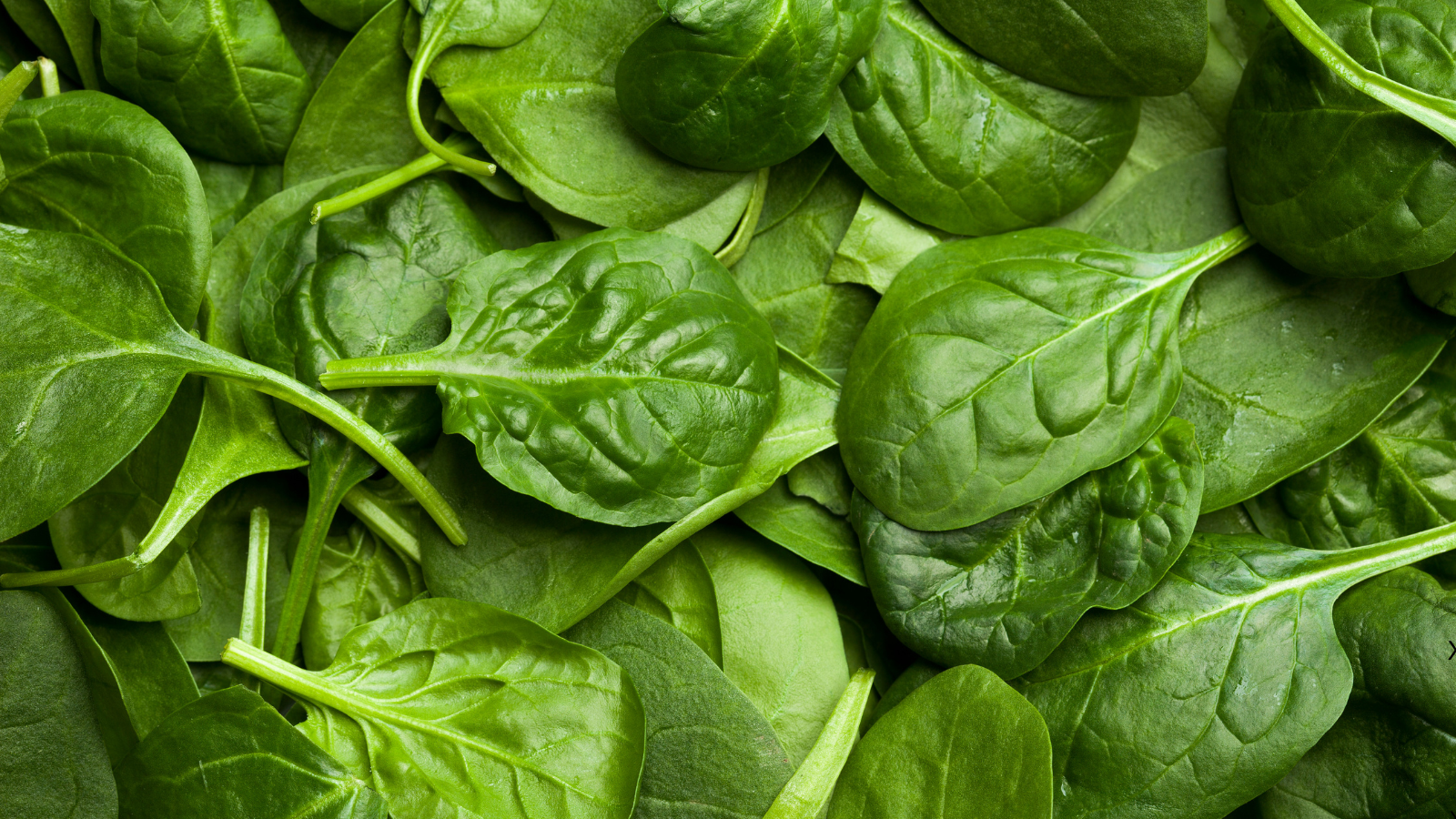
Spinach is a nutrient-rich leafy green that is a favourite among health enthusiasts and home cooks alike. Known for its versatility in the kitchen and its rich profile of vitamins and minerals, growing your own spinach provides a steady supply of fresh greens from your own garden.
Why Grow Spinach?
- Nutritional powerhouse: Low in calories and high in vitamins A, C, and K, plus iron, calcium, and folate
- Versatile in the kitchen: Perfect for salads, smoothies, soups, pasta dishes, and more
- Fast-growing: Often ready to harvest in just 30 to 45 days
- Continuous harvest: With the right techniques, you can enjoy spinach throughout the growing season
Optimal Growing Conditions
Soil: Well-draining, fertile soil rich in organic matter. Aim for a pH between 6.0 and 7.0. Adding compost or well-rotted manure improves soil fertility.
Light: Spinach prefers full sunlight but can tolerate partial shade, especially in hotter climates. Aim for 6 to 8 hours of sunlight daily.
Temperature: Grows best in cool temperatures between 10°C and 21°C (50°F–70°F). It tolerates light frosts, making it ideal for early spring and late autumn planting.
How to Plant Spinach
Direct Sowing (Recommended)
- Till the soil to at least 12 inches deep and mix in organic compost
- Create rows spaced 12 to 18 inches apart
- Plant seeds about 1 inch apart in the row, ½ inch deep
- Water gently after sowing to encourage germination
Starting Indoors
- Sow seeds 4 to 6 weeks before the last frost date in seed trays
- Transplant when seedlings have two sets of true leaves and are 3–4 inches tall
- Space plants 4 to 6 inches apart outdoors
Pest and Disease Management
- Aphids: Control with insecticidal soap or a strong spray of water
- Leaf miners: Practice crop rotation and remove affected leaves
- Downy mildew: Ensure good airflow and avoid wetting the foliage
- Slugs and snails: Use copper tape or diatomaceous earth as a barrier
Harvesting Spinach
Baby leaves: Harvest when 2 to 4 inches long — tender and perfect for salads. Cut at the base, allowing the plant to keep growing.
Mature leaves: Wait until leaves reach about 6 inches. Harvest outer leaves or cut the whole plant at the base.
💡 Best time to harvest: Morning is ideal — leaves are crisp and moisture levels are at their highest. Regular harvesting encourages new growth and extends your season.
Popular Varieties
- Savoy (Winter Bloomsdale): Crinkled leaves, cold-tolerant, mild flavour
- Flat-leaf (Teton): Smooth leaves, excellent for processing and freezing
- Baby Leaf: Harvested early, tender — ideal for salads and smoothies
Two Simple Spinach Recipes
🥗 Spinach Salad with Lemon Vinaigrette
Ingredients: 4 cups fresh spinach, ½ cup sliced strawberries, ¼ cup crumbled feta, ¼ cup chopped walnuts. Dressing: 3 tbsp olive oil, 1 tbsp lemon juice, salt and pepper.
Method: Combine spinach, strawberries, feta and walnuts. Whisk dressing, drizzle over salad and toss gently before serving.
🍳 Spinach and Cheese Stuffed Omelette
Ingredients: 2 eggs, 1 cup chopped fresh spinach, ¼ cup shredded cheese, salt, pepper, olive oil or butter.
Method: Whisk eggs with seasoning. Sauté spinach in an oiled pan until wilted, pour in eggs. When edges set, add cheese to one half, fold and cook one more minute.
Ready to Start Growing?
Download the free Wise Gardener's Starter Guide — five easy steps to your first harvest.