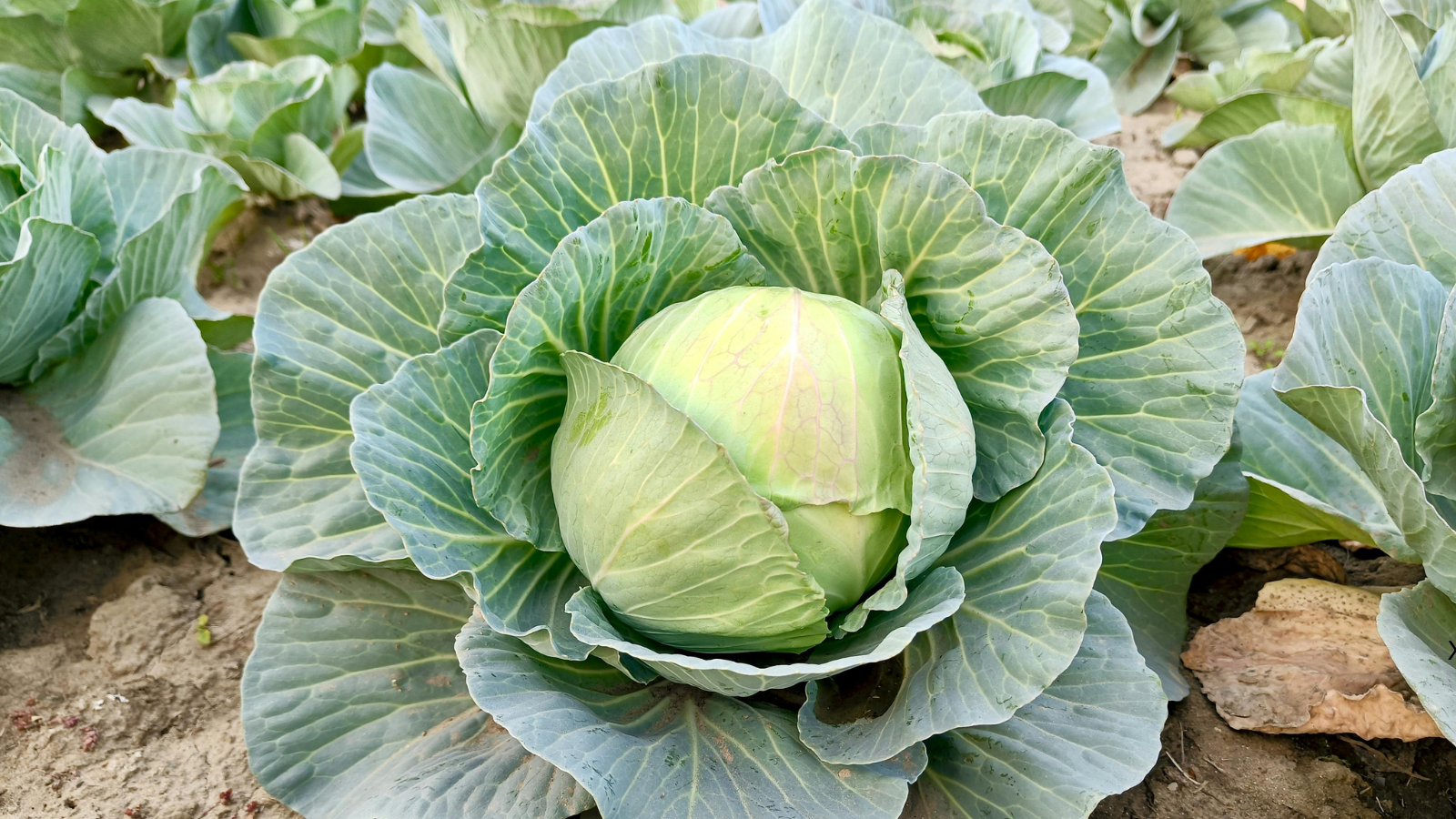
When we think of cabbage we always picture those lovely large, tightly-packed heads. But what happens when your cabbage plants produce only leaves with no head? It's more common than you'd think — and completely preventable once you know what causes it.
Why Cabbage Goes Headless
Headless cabbage is almost always caused by one or more of the following:
- Poor soil: Cabbage is a heavy feeder and needs rich, fertile, well-composted soil to develop a head. Thin, depleted soil simply cannot support head formation.
- Overcrowding: Planting too many seeds or seedlings in a small space prevents each plant from accessing the nutrients and root space it needs. Cabbage needs room to develop.
- Insufficient sunlight: Cabbage needs at least 6 hours of direct sunshine daily.
- Too little water: Consistent moisture is essential — irregular or insufficient watering disrupts head development.
💡 The good news: Even headless cabbage leaves are nutritious and delicious, especially when grown without chemicals. They're perfect for stir-fries, soups, and wraps — so a headless harvest is never wasted!
How to Grow Cabbage Successfully
- Soil: Rich, well-fertilised soil with plenty of added compost. The soil pH should be between 6.5 and 6.8 for optimum growth.
- Spacing: Allow at least 30–45cm (12–18 inches) between plants to give each one the space it needs
- Sunlight: Choose a spot with at least 6 hours of sun per day
- Watering: Keep the soil consistently moist — regular watering is essential
- Fertilising: Feed with a balanced fertiliser during the growing season
Cabbage Varieties to Try
Cabbage comes in several wonderful varieties, each with its own character:
- Green cabbage: The classic, firm and versatile
- Red/purple cabbage: Slightly sweeter, striking colour, high in antioxidants
- Savoy cabbage: Crinkled leaves, milder and more tender — excellent for wraps
- January King: Hardy winter variety, beautifully marked with purple
Health Benefits of Cabbage
Cabbage is incredibly nutritious. The antioxidants it contains are said to help protect against certain cancers, and it is very effective at reducing bad cholesterol. It's high in vitamin C, vitamin K, and dietary fibre — a genuinely powerful vegetable that earns its place in your garden and your kitchen.
Watch: Tips for Growing Healthy Cabbages
Ready to Start Growing?
Download the free Wise Gardener's Starter Guide — five easy steps to your first harvest.