
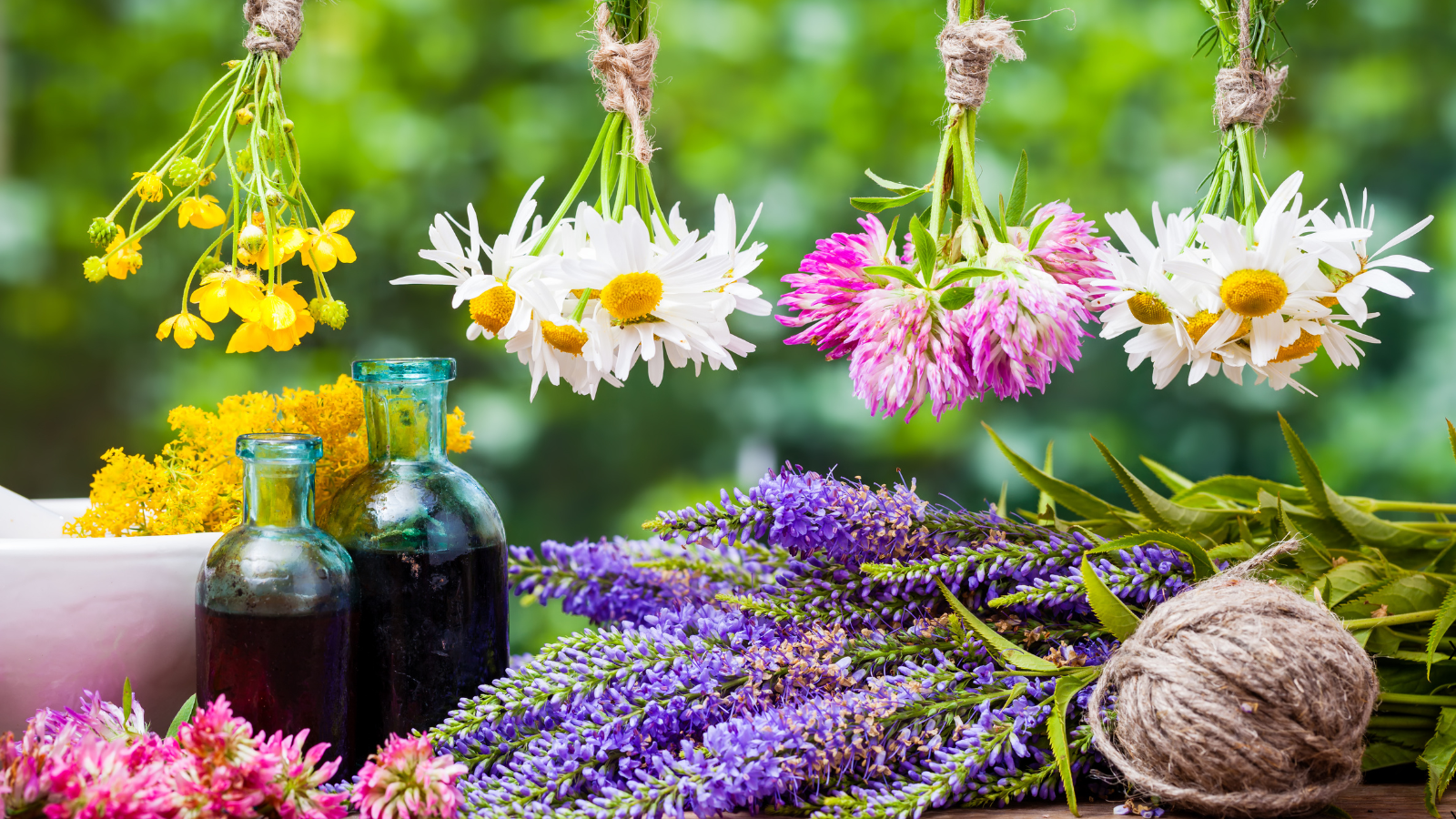
Herbs have always been known for their many uses in cooking, teas, and especially for their medicinal properties. No matter how far back you go in history, you will always find that herbs have been used for their healing benefits — both internal and external. Many of today's pharmaceutical medicines are derived from plant compounds that herbalists have used for centuries.
Growing medicinal herbs alongside your culinary herbs is one of the most rewarding things you can do in a garden. Many are easy to grow, look beautiful, attract pollinators, and give you a natural toolkit for everyday health and wellbeing.
⚠️ Important note: While herbs have real benefits, always educate yourself before using any herb medicinally. Like all plants, herbs should be used in moderation and with care. If you are pregnant, breastfeeding, or taking medication, always check with a healthcare professional before using herbal remedies. This article is for general informational purposes only.
8 Healing Herbs to Grow at Home
1. Chamomile
Perhaps the most well-known herbal remedy, chamomile is famous for its ability to ease us into sleep when steeped into tea. It also soothes stomach upset and is gentle enough for children. German Chamomile is the best variety for tea — an annual that grows about 60cm (2 feet) tall. It prefers well-draining soil, full sun to part shade, and moderate water, and is easy to grow from seed. Dry the flowers for long-term storage.
2. Lavender
Lavender is well known for its calming and stress-relieving properties. The essential oil is used topically for headaches, insect bites, and minor burns. As a garden plant, lavender is easy to grow, drought-tolerant once established, and enormously attractive to bees and butterflies. It thrives in full sun and well-drained, even poor, soil.
3. Mint
Mint is one of the most versatile and easy-to-grow herbs. Peppermint tea is well known for settling digestive issues, relieving nausea, and soothing headaches. Spearmint is milder and lovely in both cooking and teas. Note: Mint spreads aggressively — grow it in a container or sink a pot into the ground to contain its roots.
4. Thyme
Thyme has powerful antiseptic and antibacterial properties. It has been used for centuries to treat coughs, bronchitis, and sore throats — thyme honey is a traditional remedy in many cultures. In the garden it's one of the hardiest herbs you can grow: drought-tolerant, bee-friendly, and perennial in most climates.
5. Rosemary
Rosemary is associated with improved memory and concentration. It has anti-inflammatory properties and is a rich source of antioxidants. In the garden, rosemary is a beautiful, drought-tolerant evergreen shrub that thrives in sunny, well-drained spots. It can grow quite large in mild climates and lives for many years.
6. Sage
Sage has long been used to soothe sore throats, reduce sweating, and support digestive health. It also has strong antimicrobial properties. Common sage is easy to grow as a perennial in most gardens — it prefers full sun and well-drained soil and looks beautiful in borders with its silvery-green leaves.
7. Lemon Balm
Lemon balm (a member of the mint family) is used for anxiety, insomnia, and digestive problems. A cup of lemon balm tea before bed is wonderfully calming. It's easy to grow, produces abundant leafy growth, and like mint benefits from being grown in a container to prevent it spreading.
8. Echinacea
Echinacea (coneflower) is widely used to support the immune system and help reduce the severity and duration of colds. It's also one of the most striking plants you can grow — tall, bold purple flowers that bees absolutely love. It's a hardy perennial that comes back year after year and is very easy to grow from seed or young plants.
Getting Started with Medicinal Herbs
If you're new to growing herbs for health, start with just a few — mint, lavender, and thyme are ideal beginners' choices. They're easy, reliable, useful in cooking and as remedies, and will give you confidence to expand your herb garden year by year.
Many medicinal herbs also make wonderful container plants — a few pots on a patio or windowsill can give you a genuinely useful collection of healing plants without needing much space at all.
Enjoying Your Herb Growing Journey?
Download the free Wise Gardener's Starter Guide — five easy steps to your first harvest.