
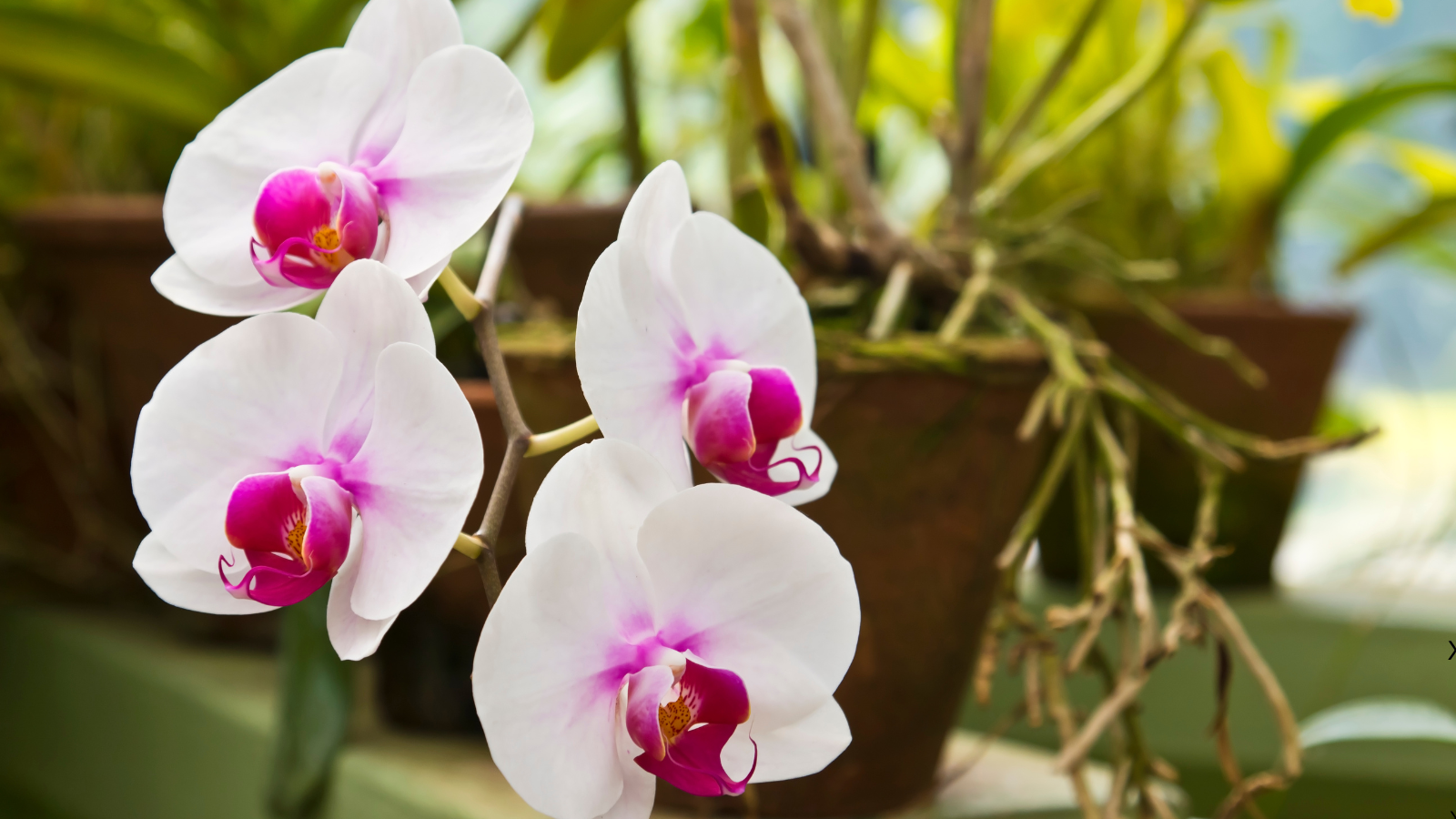
Re-potting a mature orchid is essential for its health and growth. Over time, potting media breaks down, roots can become crowded, and your orchid may need more space to thrive. This step-by-step guide will walk you through the whole process.
What You'll Need
- A mature orchid (preferably in a pot that's become too small)
- Fresh orchid potting mix (bark-based or sphagnum moss)
- A new pot (with adequate drainage holes)
- Clean scissors or pruning shears
- Optional: orchid fertiliser
Step 1: Choose the Right Time to Re-Pot
The best time to re-pot orchids is right after they finish blooming, or during the spring when they enter their growing season. This timing minimises stress on the plant and allows for new root growth.
Step 2: Gather Your Materials
Before you begin, have your supplies at hand. Make sure your new pot is slightly larger than the current one — but not too large, as excess space retains moisture and can lead to root rot.
Step 3: Remove the Orchid from Its Pot
Gently squeeze the sides of the pot to loosen the orchid. Carefully tilt and pull it out. If it's stuck, you can use scissors to cut away the pot carefully. Take care not to damage the roots in the process.
Step 4: Inspect and Clean the Roots
Once out of the pot, inspect the roots thoroughly. Trim any dead, mushy, or brown roots with clean scissors. Healthy roots should be crisp and white or green. Gently shake or wash away old potting mix to expose the healthy roots.
💡 Root health tip: Green roots are actively growing and well-hydrated. White roots are healthy but slightly dry. Brown, mushy roots should be trimmed away cleanly with sterilised scissors.
Step 5: Prepare the New Pot
Add a small layer of fresh potting mix to the bottom of the new pot. This will support the roots and provide a stable base.
Step 6: Position the Orchid
Centre the orchid in the pot, ensuring the crown (where the roots meet the stem) is above the potting mix. It's important not to bury the crown to prevent rot. Adjust the position until it feels stable.
Step 7: Fill with Potting Mix
Gradually add fresh orchid potting mix around the roots, gently pressing it down to eliminate any air pockets. Don't pack it too tightly — orchids require good aeration for healthy root growth.
Step 8: Water the Orchid
After potting, water your orchid thoroughly until water drains from the bottom. This ensures the roots are hydrated and helps settle the new substrate. Allow the potting mix to dry slightly before watering again — typically every 1–2 weeks.
Step 9: Provide the Right Environment
Place your re-potted orchid in a location with bright, indirect sunlight. Maintain a warm and humid environment. Use a humidity tray or a humidifier if necessary.
Step 10: Fertilise (Optional)
After a few weeks, you can start feeding your orchid with an appropriate orchid fertiliser. Fertilise monthly during the growing season, following the instructions on the package.
Final Thoughts
Re-potting a mature orchid may seem daunting, but with the right approach, you can give it the new lease on life it needs to continue thriving. Regularly check moisture and adjust its care regimen to match its growth needs. With proper care and attention, your mature orchid will continue to produce its lovely blooms for years to come.
Ready to Start Growing?
Download the free Wise Gardener's Starter Guide — five easy steps to your first harvest.